Traditional vs. Tankless Water Heaters: Which One Fits Your Home Best?
Last updated:
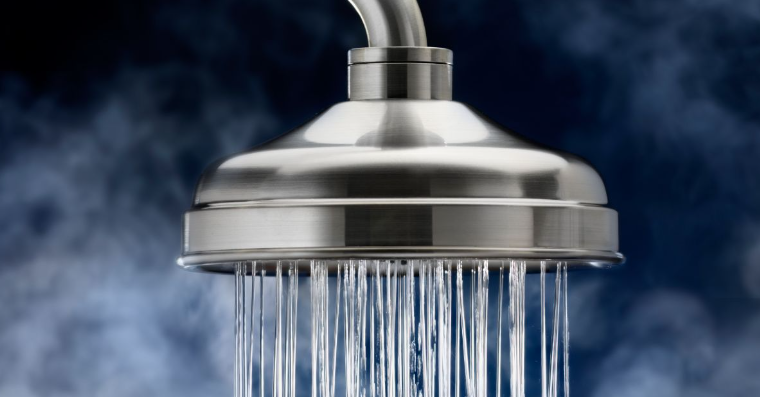
Whether it's for a warm shower after a long day or to handle the daily demands of laundry and dishes, having a water heater that works for your household is essential. If you're considering a new water heater or your current one is showing its age, you've probably heard about the two main types: traditional tank models and their modern counterpart, tankless units. Choosing the right one can feel like a big decision, but with a clear understanding of how each works, you can find the perfect fit for your home and lifestyle.
Is your hot water supply on the fritz? Don't wait for a cold shower!
Get in touch with our team now to discuss your options and get your system back in working order.
Understanding How Water Heaters Work
Before you decide, it's helpful to know the basic mechanics of each system. They both serve the same purpose—heating your home's water—but they do so in very different ways.
Traditional Water Heaters
The traditional water heater is the kind most of us are familiar with. It's a large, cylindrical tank that stores and heats a set amount of water. Think of it like a big thermos. The tank is always full, and a heating element (in an electric model) or a gas burner (in a gas model) keeps the water at a constant, preset temperature.
When you turn on a hot water faucet, the hot water is pulled from the top of the tank and sent to the tap. At the same time, cold water from your main supply enters the tank from the bottom to replace the water being used. The system then kicks in to reheat the new, cold water—a process known as recovery time. The amount of hot water available at any given time is limited by the size of the tank, and once it's used up, you have to wait for the system to reheat a new supply.
Pros of Traditional Water Heaters
- Lower upfront cost: Tank water heaters typically cost less to purchase and install.
- Simple installation: Replacement is straightforward, especially if you're upgrading an existing unit.
- Reliable technology: Decades of proven performance and widely available parts for repairs.
- Works during power outages: Gas models can still provide hot water without electricity.
Cons of Traditional Water Heaters
- Higher energy costs: Constantly heating water means ongoing energy use, even when you're not home.
- Limited hot water: Once the tank empties, you'll wait for it to reheat.
- Shorter lifespan: Typically 10-15 years before replacement is needed.
- Takes up space: Large tanks require dedicated floor space in your utility room or garage.
Tankless Water Heaters
Also known as "on-demand" water heaters, tankless units are a different breed. As their name suggests, they don't have a tank. Instead, they are compact units that mount to a wall and heat water only as it's needed.
When you turn on a hot water tap, a sensor in the unit detects the flow of water. The unit then activates a powerful heating element to instantly warm the water as it passes through. Because the water is heated on the fly, there is no storage tank to refill, and you won't have to wait for the system to "recover." As long as the unit is operating within its capacity, you can have a continuous supply of hot water. Learn more about our tankless water heater installation services.
Pros of Tankless Water Heaters
- Energy efficient: Only heats water on demand, reducing energy bills by 20-30%.
- Endless hot water: No tank to empty means continuous hot water for showers, laundry, and more.
- Longer lifespan: Quality units can last 20+ years with proper maintenance.
- Space-saving: Compact wall-mounted design frees up floor space.
Cons of Tankless Water Heaters
- Higher upfront cost: Initial purchase and installation costs are higher.
- May require upgrades: Some homes need electrical or gas line upgrades.
- Flow rate limits: Running multiple fixtures simultaneously may exceed capacity.
What's the Right Choice for Your Home?
Deciding between a traditional and a tankless water heater involves weighing a few key factors. It's not about one being definitively better than the other—it's about which one aligns with your family's needs, budget, and long-term goals.
Initial Cost and Installation
The upfront cost is often the first thing homeowners consider. Traditional water heaters have a lower initial purchase and installation cost. The process is generally more straightforward, especially if replacing an existing tank system. Most homes are already set up for this type of water heater installation, which can keep labor costs down.
Tankless water heaters typically have a higher initial price tag for the unit itself. The installation can also be more complex, sometimes requiring upgrades to your gas line or electrical system to handle the increased power demand. While this can make the initial investment seem significant, it's important to look at the bigger picture.
Energy Efficiency and Operating Costs
This is where tankless systems truly shine. A traditional tank water heater uses energy 24/7 to maintain the temperature of the water inside the tank, even when you're not using any. This constant reheating is known as "standby heat loss" and can account for a considerable amount of your energy bill.
A tankless water heater, on the other hand, only uses energy when you're actually using hot water. This "on-demand" operation means it's much more energy-efficient and can lead to notable savings on your monthly utility bills. Over the lifespan of the unit, those savings can help offset the higher initial installation cost.
Hot Water Supply and Performance
The amount of hot water you can get is a major point of difference:
- Traditional: The supply is limited by the tank's size. If you have a large family and everyone needs to shower in the morning, or you're running the dishwasher and the washing machine at the same time, you might find yourself waiting for the water to reheat. A larger tank can help, but it won't provide an endless supply.
- Tankless: You have a continuous, seemingly endless supply of hot water. As long as the unit's flow rate (how many gallons per minute it can heat) is sufficient for your home, you can run multiple appliances or showers at the same time without worrying about the water turning cold. For larger homes or families with high hot water demand, a single unit may not be enough to handle all appliances simultaneously, and a professional inspection can help you determine if you need one or more units.
Space and Lifespan
Another key difference is the size and longevity of the two systems:
- Space: Traditional water heaters are bulky and require a dedicated space, like a closet, utility room, or garage. This can be a significant factor if you're working with limited square footage.
- Tankless: These units are compact and can be mounted on a wall. This frees up valuable floor space in your home, which is a major benefit for many homeowners.
- Lifespan: Traditional water heaters have an average lifespan of 10 to 15 years, and their performance may decline over time due to mineral buildup and corrosion inside the tank. Tankless water heaters, with proper maintenance, can last 20 years or even longer. Their design reduces the risk of leaks and other common issues associated with tanks.
The Right Water Heater for Your Texas Home
Choosing a new water heater is a significant decision for any homeowner. Whether you prioritize a lower initial cost or long-term energy savings, understanding your options is the first step toward making a confident choice.
At Patriot Plumbing, we specialize in helping our neighbors in Boerne, San Antonio, and the surrounding areas make informed decisions about their home's plumbing. We offer expert water heater installation for both traditional and tankless systems, ensuring you get a solution that meets your needs.
Expert Water Heater Services
Ready to upgrade your home's hot water system but still have questions? The best way to find the perfect solution is to consult with a professional. Our team is here to walk you through the pros and cons based on your specific needs, home size, and usage habits. From a free consultation to a seamless installation, we are here to provide the local support you need to ensure your home has a reliable and efficient hot water supply.
Water Heater Services Across Central Texas
Whether you're in the heart of San Antonio or the scenic Hill Country, our licensed plumbers are ready to help you choose and install the perfect water heater for your home.