Simple Winter Plumbing Maintenance Every Texas Home Needs
Last updated:
When winter weather rolls into Central Texas, most folks don't worry much about snow and ice. But even our mild winters can catch plumbing systems off guard. A single cold snap can lead to frozen pipes, burst water lines, and expensive repairs that could have been avoided with a little preparation.
Don't wait until pipes freeze—protect your home now.
Call (210) 934-6649 or fill out our online contact form to schedule a pre-winter plumbing inspection.
The good news? Winterizing your plumbing doesn't require special tools or technical expertise. With a few simple steps, you can protect your home from cold-weather plumbing problems and keep everything flowing smoothly all season long.
Why Winter Plumbing Maintenance Matters in Texas
Texas winters might seem mild compared to northern states, but our plumbing systems face unique challenges. Homes here aren't always built with extreme cold in mind, and pipes often run through unheated spaces like attics, crawl spaces, and exterior walls. When temperatures drop suddenly—especially overnight—these vulnerable pipes can freeze quickly.
Frozen pipes don't just stop water flow. As water freezes, it expands, creating pressure that can crack or burst pipes. A single burst pipe can release hundreds of gallons of water into your home, causing thousands of dollars in damage to walls, floors, and belongings. When disaster strikes, you need emergency plumbing services fast.
Beyond frozen pipes, winter brings other plumbing concerns. Cold weather can affect water heaters, outdoor faucets, and irrigation systems. Taking time for preventive plumbing maintenance now can save you from emergency calls and costly plumbing repairs later.
Protect Your Outdoor Faucets and Hose Connections
Your outdoor faucets are among the most vulnerable parts of your plumbing system during winter. These exposed fixtures face the full brunt of cold weather, making them prime candidates for freezing.
Start by disconnecting all garden hoses from outdoor faucets. Water trapped inside hoses can freeze and expand backward into the faucet and connecting pipes, causing cracks you won't notice until spring. After removing hoses, drain them completely and store them in a garage or shed.
Next, shut off the water supply to outdoor faucets if you have interior shut-off valves. These valves are typically located in basements, crawl spaces, or utility rooms. After closing the valve, go outside and open the faucet to drain any remaining water from the line.
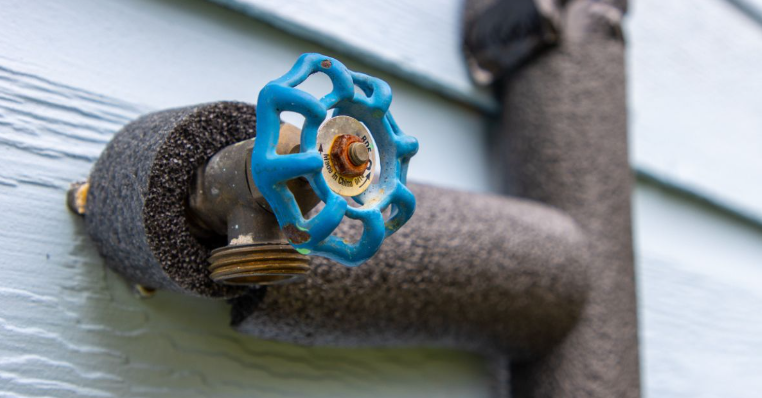
Consider installing insulated faucet covers on all outdoor spigots. These inexpensive foam covers create a protective barrier against freezing temperatures. You can find them at most hardware stores for just a few dollars each.
Insulate Exposed Pipes in Vulnerable Areas
Pipes running through unheated spaces need extra protection during cold snaps. Focus your attention on these high-risk areas:
- Attics and crawl spaces
- Garages and storage buildings
- Exterior walls, especially on the north side of your home
- Areas near vents or windows where cold air can enter
Pipe insulation comes in several forms. Foam pipe sleeves are the most common—they slip over pipes like a jacket and provide excellent protection. For pipes in tight spaces, you can use foam tape or heat cable designed specifically for freeze protection. If you need help with piping and repiping, our team can assess your system and recommend the best solutions.
Pay special attention to pipes near exterior walls or in cabinets against outside walls. Opening cabinet doors during extremely cold nights allows warm air from your home to circulate around these pipes, reducing freeze risk.
Check and Service Your Water Heater
Your water heater works harder during winter months as it fights to heat colder incoming water. A little maintenance now can prevent mid-winter breakdowns and improve efficiency.
Start by checking the temperature setting on your water heater. The recommended setting is 120 degrees Fahrenheit—hot enough for comfortable showers and effective dishwashing, but not so hot that it wastes energy or creates scalding risks.
If you have a traditional tank water heater, drain a few gallons from the bottom to flush out sediment buildup. Sediment accumulates over time and reduces heating efficiency while potentially damaging the tank. Simply attach a garden hose to the drain valve, run it to a floor drain or outside, and open the valve to release water until it runs clear.
Look for signs of problems like rust-colored water, strange noises, or moisture around the base of the tank. These symptoms might indicate your water heater needs professional plumbing repairs before it fails completely.
Winterize Your Irrigation System
If you have a sprinkler system, proper winterization prevents expensive damage to underground pipes and sprinkler heads. Water left in irrigation lines can freeze and crack pipes buried in your yard.
Most irrigation systems need to be blown out using compressed air—a job typically handled by a professional irrigation company. This process forces all water out of the system, leaving pipes dry and protected from freezing.
After blowing out the system, shut off the water supply at the main valve. If your system has a backflow prevention device, this also needs to be drained or protected. Many homeowners wrap these devices with insulation or install insulated covers.
Know Where Your Main Water Shut-Off Valve Is Located
In a plumbing emergency, every second counts. Knowing exactly where your main water shut-off valve is located and how to operate it can prevent minor leaks from becoming major disasters. Our 24/7 emergency plumbing team is always ready to help, but quick action on your part can minimize damage.
The main shut-off valve controls water flow to your entire house. It's typically located near where the water line enters your home—often in a basement, crawl space, utility room, or garage. In some homes, it might be outside near the water meter.
Take time now to locate this valve and make sure everyone in your household knows where it is. Test the valve to ensure it turns easily. If the valve is stuck or difficult to operate, consider having it replaced before you need it in an emergency.
Watch for Warning Signs of Plumbing Problems
Winter is an excellent time to inspect your plumbing system for potential issues before they become emergencies. Look for these warning signs:
- Dripping faucets or running toilets – waste water and indicate worn parts that should be replaced through professional repairs
- Slow drains – suggest developing clogs that could worsen; consider professional drain cleaning
- Low water pressure – might signal pipe corrosion or hidden leaks; schedule a plumbing inspection
- Unusual sounds – banging, whistling, or gurgling could indicate air in pipes or other problems
- Musty odors or water stains – on walls and ceilings may reveal hidden leaks or slab leaks
Addressing these issues now through regular plumbing maintenance prevents them from escalating during the coldest weeks of winter when you need your plumbing most.
What to Do During a Hard Freeze
When temperatures are forecast to drop below freezing—especially for extended periods—take these additional precautions:
- Allow faucets to drip slightly, particularly those on exterior walls. Moving water is much less likely to freeze than standing water.
- Keep your thermostat set to the same temperature day and night. The money you save by lowering the temperature at night isn't worth the risk of frozen pipes. If you'll be away from home, never set the thermostat below 55 degrees.
- Open cabinet doors under sinks to allow warm air to reach pipes in exterior walls.
Prepare Your Home Before Winter Travel
Planning to visit family or take a winter vacation? Don't leave your home's plumbing system vulnerable while you're away. Follow these steps before departure:
- Set the thermostat to at least 55 degrees to keep interior temperatures stable
- Shut off the main water supply and drain the system if you'll be gone for an extended period
- Ask a trusted neighbor or friend to check on your home, especially if freezing weather is predicted
- Clear gutters and downspouts to prevent ice dams that can lead to water damage
These precautions provide peace of mind while you're away and protect your investment in your home.
Schedule Professional Plumbing Services
While many winter preparation tasks are DIY-friendly, some jobs benefit from professional expertise. A trained plumber can identify potential problems you might miss and provide comprehensive plumbing services tailored to your home's specific needs.
Professional plumbing inspections catch small issues before they become big problems. Plumbers have specialized tools to detect hidden leaks, assess pipe condition, and ensure your entire system is ready for winter weather.
Protect Your Texas Home This Winter
Winter plumbing maintenance doesn't have to be complicated or time-consuming. By taking these straightforward steps now, you'll protect your home from cold-weather damage and enjoy worry-free comfort all season long.
Ready to Winterize Your Plumbing?
Schedule your winter plumbing inspection today and enjoy peace of mind all season long. Patriot Plumbing is here to help San Antonio families stay protected.
Winter Plumbing Services Across San Antonio & Surrounding Areas
Whether you're in the heart of San Antonio or the Hill Country communities surrounding it, our team is ready to help you prepare for winter weather.